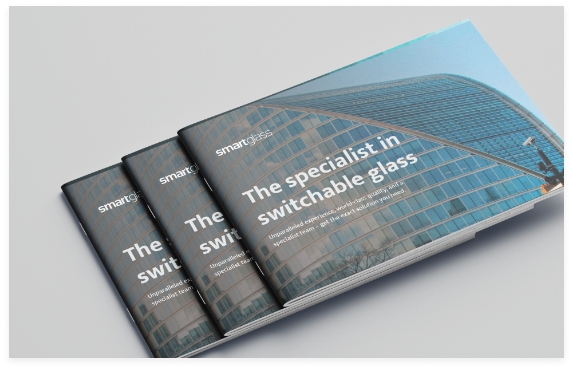
SmartGlass International is one of the world’s leading suppliers of innovative smart glass products. Over the years, SmartGlass International has consistently invested in ongoing research and development in order to develop the highest quality electronically switchable privacy glass – LC SmartGlass.
LC SmartGlass is a specially designed smart glass product that offers end users instant privacy at the flick of a switch. Through the application of a small electrical current, users can immediately transform any LC SmartGlass surface from clear to opaque and back again.
The surface of any LC SmartGlass product can be transformed from crystal clear to opaque in order to create wide-open spaces or intimate private enclosures in your home, office or boardroom.
LC SmartGlass can be switch from transparent to opaque and back again from wall switches, remote controls, movement sensors, light sensors or timers.
Why use LC SmartGlass?
LC SmartGlass is a highly flexible smart glass product that creates a variety of practical benefits. One of the main benefits that this product offers users is the ability to create instant privacy on demand.
As a result, LC SmartGlass eliminates the need to install any automatic or manual screens, blinds or curtains.
LC SmartGlass also:
- facilitates the efficient use of space
- blocks 99.5+% of damaging UV rays
- provides exceptional optical qualities that reduce glare and eye strain
- is eco friendly
- features high durability, solid-state technology with no moving parts to wear out or break
- is available in a variety of sizes and shapes that can be customised to meet your individual requirements
- is hygienic and low maintenance
- enhances corporate image
- reduces fading of carpets, furniture and protects valuable artwork
- is high contrast for use as rear projection screen
- has a long life – tested to in excess of 1,000,000 cycles
LC SmartGlass is the smart glass product of choice for privacy on demand in terms of reliability, price and performance.
To find out more about this innovative product, visit www.smartglassinternational.com